Relieve TMJ Pain & Restore Comfortable Jaw Movement
Struggling with jaw pain, clicking, or tension? Our GDC-registered dental specialist offers personalised TMJ treatment to ease discomfort and restore natural function.
Book Online Now
What is TMJ disorder?
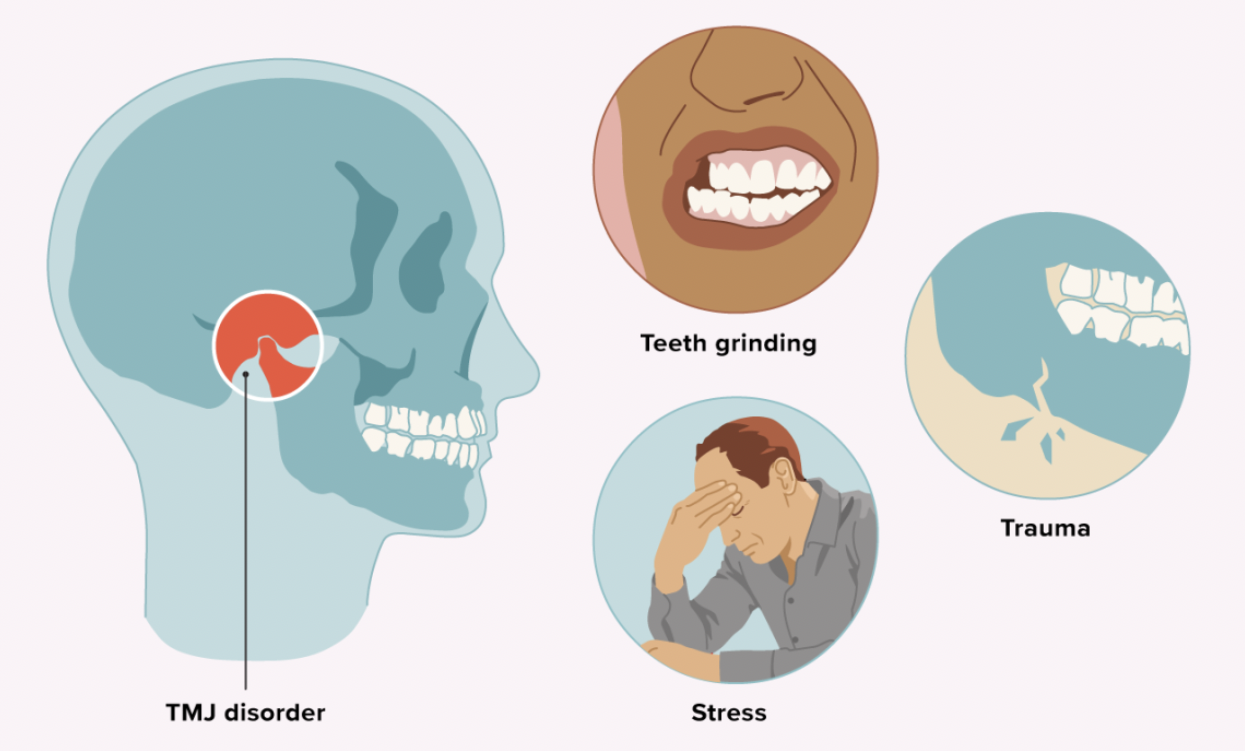
TMJ pain causes discomfort in the jaw joint, muscles, ears, and temples, often resulting from teeth grinding, stress, or injury. The condition may persist due to various reasons that requires specialist care to restore function and health.
What are the common symptoms of TMJ?
- Clicking/locking jaws
- Chewing pain: Difficulty chewing, yawning, or a jaw that locks in place.
- Sounds: Clicking, popping, or grinding sounds when opening/closing the mouth.
- Headaches: Tender or aching pain in the jaw joint, face, tension in the neck/shoulders, and earaches.
When should you seek medical attention?
- If pain is constant, severe, or prevents normal jaw movement (locking).
What kind of treatment can we offer?
- A thorough dental assessment of your condition by our GDC-registered dental specialist, presenting different treatment options and creating individually tailored approach for a successful result.
- Custom-Made Mouthguards/Splints: These are the most common initial treatment for TMJ disorders. Hard acrylic or soft mouthguards are worn to prevent teeth clenching and grinding, which can worsen jaw pain and relieve pressure on the joint.
- Occlusal Adjustments: If the pain arises from uneven alignment of the teeth (malocclusion), our dentist can provide orthodontic therapy to adjust the teeth for optimal occlusion, ensuring they fit together comfortably and reduced stress on the joint.
- Physical Therapy Exercises: As part of the treatment, our dental specialist can recommend exercises to stretch and strengthen the jaw muscles, reducing pain and improving mobility.
What can you do now to ease symptoms (quick self-help and relief)
- Soft Foods: Eat yogurt, soups, mashed potatoes, and pasta to reduce chewing strain.
- Temperature Therapy: Apply cold or heat packs wrapped in a towel to the jaw for 10-15 minutes.
- Rest the Jaw: Avoid chewing gum, biting nails, or yawning very wide.
- Relaxation: Use techniques like yoga or meditation to reduce stress-induced clenching.
- Massage: Gently massage the jaw muscles.
- Relaxed Position: Keep teeth apart and lips together, resting the tongue behind the upper front teeth.
- Gentle Stretches: Gently open and close your mouth, focusing on keeping it aligned.
With the right self-care, including eating soft foods, applying heat/ice, and resting the jaw, symptoms often resolving on their own. However, if the pain persists, please contact us and our GDC-registered specialist will provide the right care for you.
Book Online Now
Need help before booking?
Leave your details and our team will call you back to help you choose the right treatment and appointment.